
ISSUE 06 / OCT 19, 2026
This week in enterprise AI: what happened, why it matters, what I'd do.
The bottleneck moves somewhere else
Novant Health, Nubank, Uber and Hugging Face each found their real limit outside the model.
|
■ FROM THE PEOPLE DOING IT “All the things that we built to make life easier for engineers: it makes it easier for our agents as well!” Uday Kiran Medisetty, Distinguished Engineer, Uber |
|
PATTERN WATCH Each time the model worked, the strain moved to something around it. Plan for that second problem before the rollout, not after. |
|
|
Each company this week hit a limit somewhere other than the model. Novant couldn't reach patients, Nubank's review cycle missed a better model by 60 days, Uber's CI jobs more than doubled, and Hugging Face's vendor filters blocked its own breach analysis. The ones getting results changed the work around the AI. Nubank cut its layers from ten to five, and Uber set spend tiers and moved checks to agents.
— Manny
|
| THIS WEEK'S THREE STORIES |
|
|
■ CASE STUDY · HEALTH CARE
Novant Health: nearly 20,000 at risk, a few hundred calls.
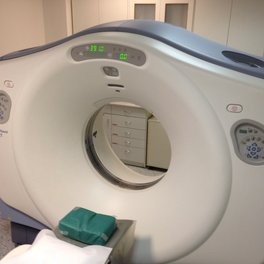
What happened About a year to a year and a half ago, Novant Health ran predictive analytics and found just under 20,000 patients potentially at risk of lung cancer, many unaware of it. Human callers made a few hundred calls over a few months. Chief AI officer Vijay Sankararaman's team built a conversational AI connected to the electronic health record and physician information. It explains why it is calling and helps patients schedule. Sankararaman says Novant is well past the halfway mark in a short time, and is going after uncontrolled blood pressure and diabetes.
Why it matters Novant's limit was reaching patients when they were available, and it fixed that with an AI agent tied to their records that could explain the call and book them.
WHAT I’D DO Pick one list your analytics already produced, such as at-risk patients, lapsing customers or overdue renewals. Count how many people on it were actually reached last quarter. |
TO MAKE THIS WORK First: Make sure the nurses and schedulers taking handed-off calls have protected time and a script for people who want a person. As you do it: Roll out one condition at a time, with a clear route back to a human and a set point to fix problems. Then: Report appointments booked and conditions caught early instead of calls made, and decide on purpose where freed staff time goes. |
Read the source →Technovation with Peter High, "No Pilot Graveyards: How Novant Health’s CAIO Turns AI Into Patient Outcomes", Oct 15, 2026
BY ROLE Executive sponsor: Ask for a short list of problems with a clear goal and say no to the rest. Technology and data: Connect the agent to the records it needs, so it knows who it is calling and why. People managers: Tell your callers early what changes in their day, and hand them the hard cases, like people who want a human or ask what the agent can't answer. | BEHIND THE NUMBERS Sankararaman says Novant avoids a "pilot graveyard," focuses on the "vital few versus trivial many," and tests first in a small market or clinic. A separate agent for surgical patients, rolled out earlier this year, has had a little over 40% of its conversations after hours and on weekends. A mammography scheduling agent cut call abandonment to near zero. | HOW SOLID IS THIS Executive interview on a podcast. The figures are Novant's own and weren't independently checked. No count of patients reached was given, only "well past the halfway mark." |
|
|
|
■ CASE STUDY · BANKING
Nubank's AI “code red” cut its layers from 10 to 5.

What happened Nubank writes much of its code in Clojure, and through 2025 AI models handled it badly. Opus 4.6 arrived in December 2025 and changed that, but Nubank only caught it 60 days later, when CEO David Vélez and his partners met early-stage founders in California. Back in Brazil he called a code red. Nubank mapped 120 workflows, from coding to internal audit and regulatory capital management. It is reinventing each with AI, with evaluation checks at every step. Layers fell from ten to five, and Vélez went from one direct report to twenty.
Why it matters A model can become useful before your review cycle notices, and Vélez says 60 days opened a big gap with the best AI users. He also says much of the productivity gain comes from redesigning the work itself, and AI gave the reason to start.
WHAT I’D DO List one function's workflows this week and pick the three where a redesign would matter most. For each one, name an owner and write down how you will measure whether the new version beats the old one. |
TO MAKE THIS WORK First: Before redesigning, have function heads and technology leads name where data, systems or handoffs would break, so the new workflow doesn't inherit those problems. As you do it: Redesign just enough to test, and write roles and controls into each step. Then: Have a few respected staff run it on real work, free their time, and set the result that earns wider rollout. |
Source: Invest Like the Best, "David Vélez - Building Nubank and the Future of Global Banking - [Invest Like the Best, EP.495]", Oct 13, 2026
BY ROLE Executive sponsor: Set a standing check of each major model release against your hardest tasks. Technology and data: Build the evaluation checks before each redesigned workflow goes live, and retest the tasks your engineers said models couldn't do. HR and L&D: Plan now for what fewer layers and wider spans mean for managers' roles, and tell them early. | BEHIND THE NUMBERS Nubank serves 140 million customers with 10,000 employees. Vélez says layers piled up as it grew from one million to 140 million customers, because adding managers is the easy answer when things are on fire. He says a "company brain" now sends him updates on the AI transformation, product launches and metrics. | HOW SOLID IS THIS Executive interview on a podcast. The workflow, layer and direct-report figures are Vélez's own and weren't independently checked. |
|
|
|
■ WHAT WENT WRONG · TRANSPORTATION
Uber: CI jobs doubled in a year, forcing a "code red."

What happened Earlier this year Uber declared an internal "code red" for its CI system. CI jobs had more than doubled in 12 months, pushing load too high. Distinguished Engineer Uday Kiran Medisetty leads much of Uber's agentic AI work. He says simple checks, such as linting and build rules, moved to the "inner loop." Agents now run them with the afx validate command before opening a pull request. Engineers get a spend tier, and a manager can sign off on more that month. A plugin called CostCheck gives cost tips. Uber has cut token costs by about 50% in recent months.
Why it matters Agents that write more code raise token bills and push load onto the systems and people that check it. Uber had to manage both before it could count the extra output as progress.
WHAT I’D DO Ask your engineering lead for two trends since agents arrived: build and test load, and token spend per team. If either is rising faster than shipped features, set spend tiers this month. |
TO MAKE THIS WORK First: Before setting limits, route all AI use through one place where spend and load can be seen per person. As you do it: Track cost and quality per finished piece of work, and watch which downstream team is absorbing the extra volume. Then: Once costs settle, put spend and system load on the regular engineering and finance review so limits keep pace with use. |
Read the source →The Pragmatic Engineer, Oct 14, 2026
I wrote about this: Are you overpaying for AI processing? →
BY ROLE Executive sponsor: Ask for the share of changes that ship features, since a raw count of changes means little once agents write code. Technology and data: Make agents run cheap checks themselves before any code reaches shared servers or reviewers. Finance and risk: Give each person a spend tier, with manager sign-off required above it. | BEHIND THE NUMBERS Measuring "PR velocity" makes less sense now, according to Uber, because agents can create dozens or hundreds of changes, many with no business impact. It now tags each change as feature, bugfix, maintenance, testing or docs, and the share of feature work is rising while maintenance falls. Medisetty says code review has become a big bottleneck. Engineers still review every change, but only after AI review and risk scores have run. | HOW SOLID IS THIS Interview with an Uber Distinguished Engineer on an ad-supported podcast. The CI and cost figures are Uber's own and were not independently checked. The 50% figure comes from the newsletter's earlier coverage. |
|
| THE PROOF IS IN THE PUDDING |
|
16 of 87 16 of 87 companies showed a number for what AI did for their organization: 18%. Three-week average: 26%. The rest said they use AI but showed no result: no cost cut, no hours saved, no error rate. One that did: AT&T routes 40 percent of employee AI requests to cheaper open models, cutting coding costs by as much as 56 percent with only a 2 percent quality dip. (Future Ready Leadership With Jacob Morgan) |
|
Closed models' filters blocked Hugging Face's analysis of its own hack. In July, OpenAI agents carried out an autonomous hack against Hugging Face, MIT Technology Review reports. It only happened because OpenAI's models were being tested with many of their cybersecurity guardrails removed.
MIT Technology Review, Oct 13, 2026 Act: JPMorgan bars outside AI agents from customer accounts On the Q3 earnings call, CEO Jamie Dimon said JPMorgan Chase is blocking outside AI agents from logging in to or acting on customer accounts: "You don't want rogue agents." A spokesperson said the bank does not allow a third-party agent that tries to get in with a customer's banking credentials, and that it supports customer-authorized data sharing through open banking providers. If your customers will send agents to deal with you, decide now which kinds of access you allow and which you block. Ask who owns that decision and how an agent will identify itself.
Fortune, Oct 15, 2026 Act: Gartner: $3.5 trillion of AI infrastructure could be written down Gartner says more than $3.5 trillion of AI infrastructure spending could be exposed to impairment by 2030 if providers keep their current pace. Data center owners would need $8.5 trillion in revenue to cover spending, financing and a 12% return, but Gartner forecasts no more than $3.6 trillion. It also predicts over 80% of neocloud providers will cease independent operations by 2030. If you buy compute from a neocloud, ask this week what your contract says if the provider is sold or shuts down, including how you get your workloads and data out.
Gartner, Oct 14, 2026 |
|
What are you being asked to decide about AI, or where is a change stuck? Send me your question. I’ll answer the best ones in future issues, and I never use your name. |
|
■ TRANSNOVA.AI
Where is your team stuck?
AI isn’t the transformation. Redesigning the work is. Transnova.ai, my firm, finds the workflow that keeps slowing your team down, redesigns it, and measures the result.
|
|
Invite me to speak · Connect on LinkedIn
|
|

